
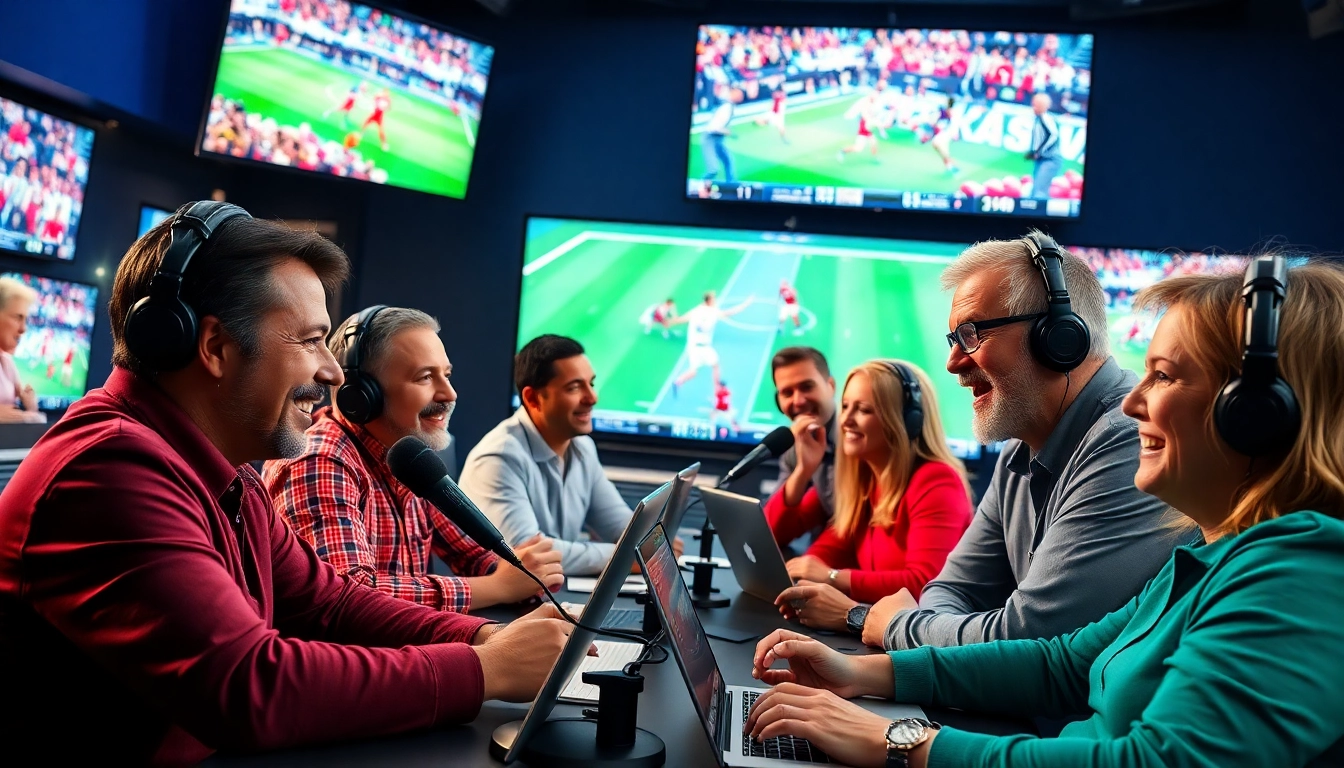
Understanding Sports Broadcasting
Definition of Sports Broadcasting
Sports Broadcasting refers to the transmission of sports events via various media formats, including television, radio, and online platforms. The goal is to provide audiences with live coverage, commentary, and analysis of sporting events. Through this medium, fans not only observe the action but also engage with it on a deeper level, experiencing the excitement, drama, and culture of sports from anywhere in the world. The rise of Sports Broadcasting has revolutionized how fans consume sports, creating a multi-billion-dollar industry that thrives on innovation and audience engagement.
History and Evolution of Sports Broadcasting
The history of sports broadcasting can be traced back to the early 20th century when radio was the primary medium for reaching audiences. The first major sporting event broadcast in the United States was the 1921 boxing match between Jack Dempsey and Georges Carpentier, which initiated a trend of live sports coverage. With the advent of television in the 1950s, sports broadcasting transformed dramatically, allowing viewers to experience games in real time increasingly vividly. Events like the Super Bowl and World Series grew in popularity, leading networks to invest heavily in broadcasting rights, sports journalism, and specialized commentary.
As technology continued to evolve, we saw the introduction of cable television in the 1980s, which brought about dedicated sports channels. The 21st century marked the rise of the internet and streaming services, allowing for on-demand viewing and personalized content delivery. Social media further enhanced audience interaction, enabling fans to share experiences and engage with commentators in real time. Today, sports broadcasting continues to evolve with innovations like virtual reality (VR), artificial intelligence (AI), and advanced analytics that provide deeper insights into games.
Role of Technology in Sports Broadcasting
Technology plays an integral role in the landscape of sports broadcasting, shaping the experiences of both broadcasters and audiences. High-definition (HD) cameras, drones, and 360-degree cameras provide unprecedented views of sporting events, making it easier for fans to appreciate the skills involved. Technology also contributes to the analytical side of sports; through sophisticated software, broadcasters can deliver real-time stats, player metrics, and historical comparisons, enhancing the context of the game.
Moreover, interactivity has become paramount in sports broadcasting. Viewers can engage via mobile applications, vote in polls, or even partake in fantasy sports while they watch broadcasts. Technologies such as augmented reality (AR) and holographic displays are being explored to create immersive viewer experiences. As these tech innovations continue to develop, the way audiences enjoy and interact with sports is set to evolve further.
Key Components of Effective Sports Broadcasting
Anchoring and Commentary Skills
Anchoring is at the heart of successful sports broadcasting. A skilled anchor must possess charisma, quick thinking, and an intimate knowledge of the sport. Their primary duties include warmly introducing segments, providing live commentary, and keeping audiences engaged through dynamic storytelling. The balance of keeping the atmosphere lively while ensuring accuracy can be challenging but is crucial, as viewers expect entertaining yet informative commentary.
Commentators, on the other hand, provide nuanced insights. They analyze gameplay, describe player techniques, and provide context behind critical moments. To excel, commentators must develop an engaging style while ensuring that their analysis is rooted in a deep understanding of tactical and statistical details. Together, anchors and commentators meld to form a cohesive broadcasting team that captivates audiences.
Production Elements: Sound and Visuals
Sound and visuals are critical in creating an engaging sports broadcast. High-quality audio can make or break the viewing experience; clear commentary, well-mixed background sounds, and the sounds of the game itself can draw viewers into the action. Advanced microphone setups and audio equipment help to capture stadium atmospheres, enhancing the excitement.
Visually, the production quality of a broadcast plays a significant role. Utilizing graphics to showcase player stats, slow-motion replays, and instant highlights helps viewers to understand and appreciate the nuances of the game. Producers must also consider camera angles and shot selections to ensure optimal coverage, providing a comprehensive view of the action. This meticulous attention to detail is pivotal in maintaining viewer interest and enhancing the overall experience.
Audience Engagement Techniques
Engaging an audience goes beyond delivering news and coverage; it involves connecting with viewers on personal and emotional levels. Social media platforms allow broadcasters to engage with fans in real-time, share highlights, and participate in discussions, significantly enhancing audience interaction.
Integrating audience-driven content—such as fan polls, Q&A segments, and behind-the-scenes footage—adds to personal engagement and can improve loyalty. Tailoring broadcasts to specific audience demographics can also lead to a more satisfactory viewing experience, ensuring that content aligns with the preferences of various fan groups.
Best Practices for Sports Broadcasting
Researching Teams and Players
Thorough research on teams and players is foundational for effective sports broadcasting. Presenters should be well-versed in team histories, player statistics, and recent performance trends, granting viewers deeper insights and enhancing the credibility of commentary. This breadth of knowledge also allows broadcasters to anticipate storylines and developments within the game.
Research can include analyzing game footage, studying player interviews, and reviewing expert analyses to form a comprehensive picture of the sport's dynamics. By doing so, broadcasters can create narratives that resonate with fans, enriching their viewing experience and drawing them further into the story.
Crafting a Compelling Narrative
A compelling narrative is vital in capturing and maintaining audience interest throughout broadcasts. This narrative may arise from ongoing rivalries, underdog stories, or historical parallels that significantly impact viewers' emotional engagement with the sport. Broadcasters must weave these narratives into their commentary, highlighting exciting moments and drawing connections to past events.
Crime instances can also serve as dramatic tools that elevate tension and create a shared emotional journey for the audience. A well-crafted narrative not only makes the broadcast more enjoyable to watch but also transforms it into an engaging event that fans look forward to returning to in future broadcasts.
Building a Personal Brand as a Broadcaster
In an industry that values personalities, building a personal brand is essential for broadcasters. A strong personal brand can differentiate a broadcaster in a competitive field, helping them cultivate a loyal fan base. This process includes creating a consistent image and voice across platforms, engaging audiences through social media, and connecting authentically.
Broadcasters should focus on what makes them unique—whether it's a distinctive style, viewpoints on the game, or an engaging storytelling approach—and embrace that in their communications. By forging an identity that aligns with their audience's values and interests, broadcasters can solidify their presence in the sports broadcasting landscape.
Challenges in Sports Broadcasting
Handling Live Broadcast Crises
Live sports broadcasts can be unpredictable, and crises may arise at any moment, from technical failures to unexpected events on the field. Handling such situations requires quick thinking and composure from broadcasters. Those at the forefront of the broadcast must stay calm while maintaining audience engagement, utilizing humor or expert commentary to alleviate tension.
Preparation is key; broadcasters should have contingency plans in place, ensuring they can pivot quickly when faced with unexpected scenarios. Developing a toolkit of responses and strategies can equip them to manage live challenges effectively, preventing any crisis from derailing the viewer experience.
Adapting to Audience Feedback
In an increasingly interactive landscape, audience feedback is invaluable. Broadcasters should actively solicit feedback through polls, social media engagement, and viewer comments, enabling them to understand audience preferences and experiences. Adaptability is vital; overly rigid broadcasting styles may alienate viewers, while listening and responding to feedback fosters loyalty.
This three-pronged approach—monitoring viewer sentiment, analyzing feedback data, and incorporating suggestions into broadcasts—ensures that broadcasters remain connected to their audiences, continuously improving their broadcasts and viewer satisfaction.
Maintaining Professionalism Under Pressure
Professionalism is the cornerstone of credible sports broadcasting. Broadcasters must exhibit poise and authority, especially during intense moments or critical discussions. Whether dealing with heated rivalries or controversial player actions, broadcasters should uphold ethical standards, recognizing the influence of their words on public perception.
Strategies to maintain professionalism include ongoing training and self-reflection, as well as seeking mentorship from seasoned broadcasters. By constantly enhancing their skills and knowledge, broadcasters can confidently navigate high-pressure situations while maintaining respect from audiences and peers alike.
Measuring Success in Sports Broadcasting
Key Performance Indicators for Broadcasters
Success in sports broadcasting can be measured through various key performance indicators (KPIs). Audience metrics such as viewership ratings, audience retention, and social media engagement are crucial metrics that gauge the impact of broadcasts. Broadcasters should also track metrics associated with audience reach—understanding how different demographics respond to content allows for strategic adjustments to enhance overall engagement.
Impact on brand sponsorships and partnerships can also serve as a significant indicator of a broadcast's success. Strong viewer metrics can attract advertisers, which is a crucial revenue source in the sports broadcasting landscape.
Managing Viewer Analytics
Analytics play a vital role in refining sports broadcasting content. Broadcasters should utilize viewer analytics to understand who is watching, when they're tuning in, and what aspects of the broadcast resonate with them. Data analytics tools can reveal patterns that might not be immediately obvious, providing valuable insights into viewer preferences.
By leveraging these insights, broadcasters can tailor their content to suit audience preferences, improving audience satisfaction and building viewer loyalty. Understanding viewer analytics is no longer just an option but a necessity in crafting successful broadcasts.
Future Trends in Sports Broadcasting
As technology continues to advance, new trends are emerging within the sports broadcasting sector. The rise of artificial intelligence and machine learning will likely lead to hyper-personalized broadcasts, where viewers receive tailored content based on their preferences. Additionally, augmented and virtual reality technologies promise to offer immersive experiences, creating new engagement opportunities for fans.
Streaming services may continue to challenge traditional broadcast models, leading to further innovations in delivering live content. Esports broadcasting has also gained prominence, creating new audiences and integrating diverse viewing experiences. As these trends unfold, sports broadcasting is set to undergo a transformative evolution, catering to the evolving preferences of global audiences.
Frequently Asked Questions
What is Sports Broadcasting?
Sports Broadcasting involves transmitting live sports events and related content through various media formats like TV, radio, and online platforms.
How has technology affected sports broadcasting?
Technology enhances sports broadcasting through HD visuals, real-time analytics, and interactive platforms for audience engagement.
What skills are essential for sports broadcasters?
Key skills include strong communication, analytical abilities, quick thinking, and an understanding of audience engagement techniques.
How can broadcasters engage with their audience?
Broadcasters engage audiences through social media interactions, real-time polls, and tailored content that resonates with viewers' interests.
What challenges do sports broadcasters face?
Sports broadcasters face challenges like technical issues, audience feedback management, and maintaining professionalism under pressure.